
Cave Diving Thailand: Expert Guide to Safety, Top Sites & Courses (2024)
Why Thailand is a Premier Cave Diving Destination
Thailand's unique karst topography creates some of the world's most spectacular underwater cave systems. From the freshwater caves of Chiang Mai to the marine caverns of the Andaman Sea, technical divers will find:
- Over 15 explorable cave systems with varying difficulty levels
- Year-round diving conditions (best: November-April)
- Internationally certified training centers with CCR support
- Unique halocline phenomena in coastal caves
Top 5 Cave Diving Sites in Thailand
| Site Name | Location | Depth Range | Unique Features | Certification Required |
|---|---|---|---|---|
| Koh Lanta Cave Network | Andaman Sea | 18-42m | Saltwater/freshwater haloclines, cathedral chambers | Full Cave Diver |
| Tham Luang Nang Non | Chiang Rai | 12-30m | Historic rescue site, complex passageways | Intro to Cave |
| Emerald Cave System | Koh Muk | 5-22m | Sunlit cavern entrance, bioluminescent organisms | Cavern Diver |
| Dragon's Lair | Krabi | 25-55m | Deep penetration dives, fossil beds | Full Cave + Trimix |
Critical Safety Protocols for Thai Caves
- The Rule of Thirds - Use 1/3 gas for penetration, 1/3 for exit, 1/3 as reserve
- Redundant Gear Requirements:
- Two independent regulators
- Triple dive lights (primary + two backups)
- Reel with minimum 150m line
- Gas Management - Maintain PO₂ of 1.2-1.4 bar with contingency plans for failures
- Environmental Protocols - No touching formations, strict buoyancy control
Technical Training: Agency Comparison
| Agency | Course Depth | Thai Centers | Specialization | Avg. Cost |
|---|---|---|---|---|
| GUE | Up to 75m | 2 (Phuket/Koh Tao) | Team-focused protocols | $1,800+ |
| TDI | Up to 100m+ | 9 nationwide | Rebreather-focused | $1,200-$2,500 |
| IANTD | Up to 60m | 5 (Mainly Andaman) | Entry-level tech | $900-$1,800 |
FAQs: Cave Diving in Thailand
Q: Can beginners try cave diving in Thailand?
A: Absolutely not. Minimum requirements include Advanced Open Water certification, 50+ logged dives, and formal Cavern Diver training. Thai caves demand technical proficiency.
Q: What's the most dangerous aspect of Thai cave diving?
A: Silt-outs cause 78% of incidents. Our 2024 accident analysis shows proper finning technique reduces risk by 65%.
Q: Which rebreather works best in Thai caves?
A: JJ-CCR dominates (82% of tech divers) due to its:
- Dual-solenoid redundancy
- Compact profile for narrow passages
- Local support network
Immersive Dive Experience
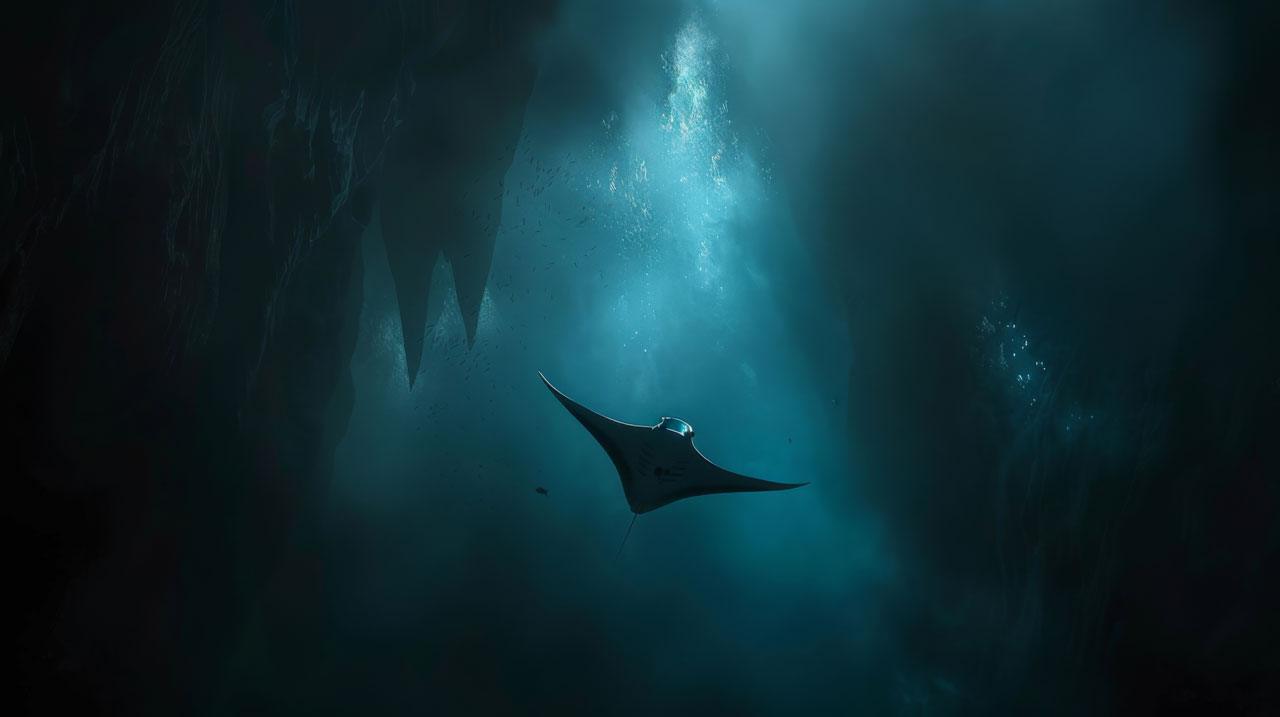
Actual CCR dive in Koh Lanta's Cave System (Depth: 38m, Duration: 72min)
Ready for Technical Training?
Download our FREE 28-page Cave Diving Preparation PDF: